September 2026 Newsletter
Building a Stronger BHAM Together
Dear BHAM Community,
As a fellow clinician who has navigated California’s mental health landscape from major health systems like Kaiser Permanente and UCLA Health to private practice, I know firsthand how systemic stressors drive burnout and diminish provider agency. Serving as a NUHW member leader showed me the power of collective organizing, and as the new BHAM Membership Development Coordinator, my goal is to unite independent clinicians into a powerful and cohesive movement. While independent practice offers autonomy, it often leaves providers isolated against opaque payor practices, stagnant reimbursement rates, and mounting administrative burdens. By committing to a $10/month membership pledge, you directly fuel our state-level advocacy, power public campaigns, and ensure independent therapists have a permanent seat at the legislative table in Sacramento.
To build a program that directly addresses your daily practice realities, I want to hear from you. Please take 3 minutes to complete the BHAM Member Survey to help us identify systemic barriers, rank our policy priorities, and shape what resources will add the most value to your practice. Real, lasting change happens when we organize around what is widely and deeply felt, thank you for your dedication to our field and for being part of this movement.
In Solidarity,
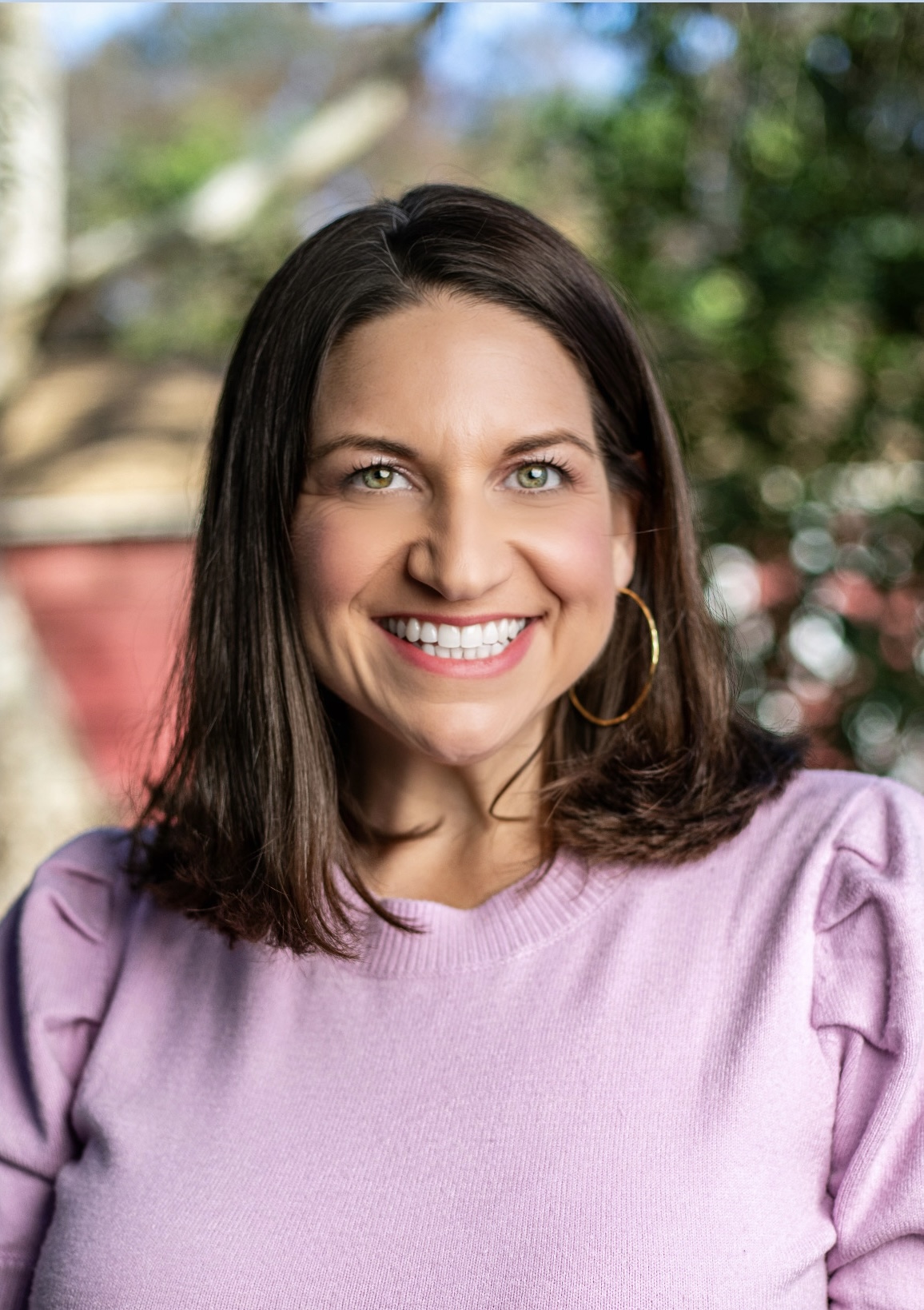
Kassaundra Gutierrez-Thompson, LCSW
BHAM Membership Development Coordinator | NUHW
Member Feature
I Can’t Justify Letting This Middleman in: Why I’m Leaving Telehealth Platforms Behind
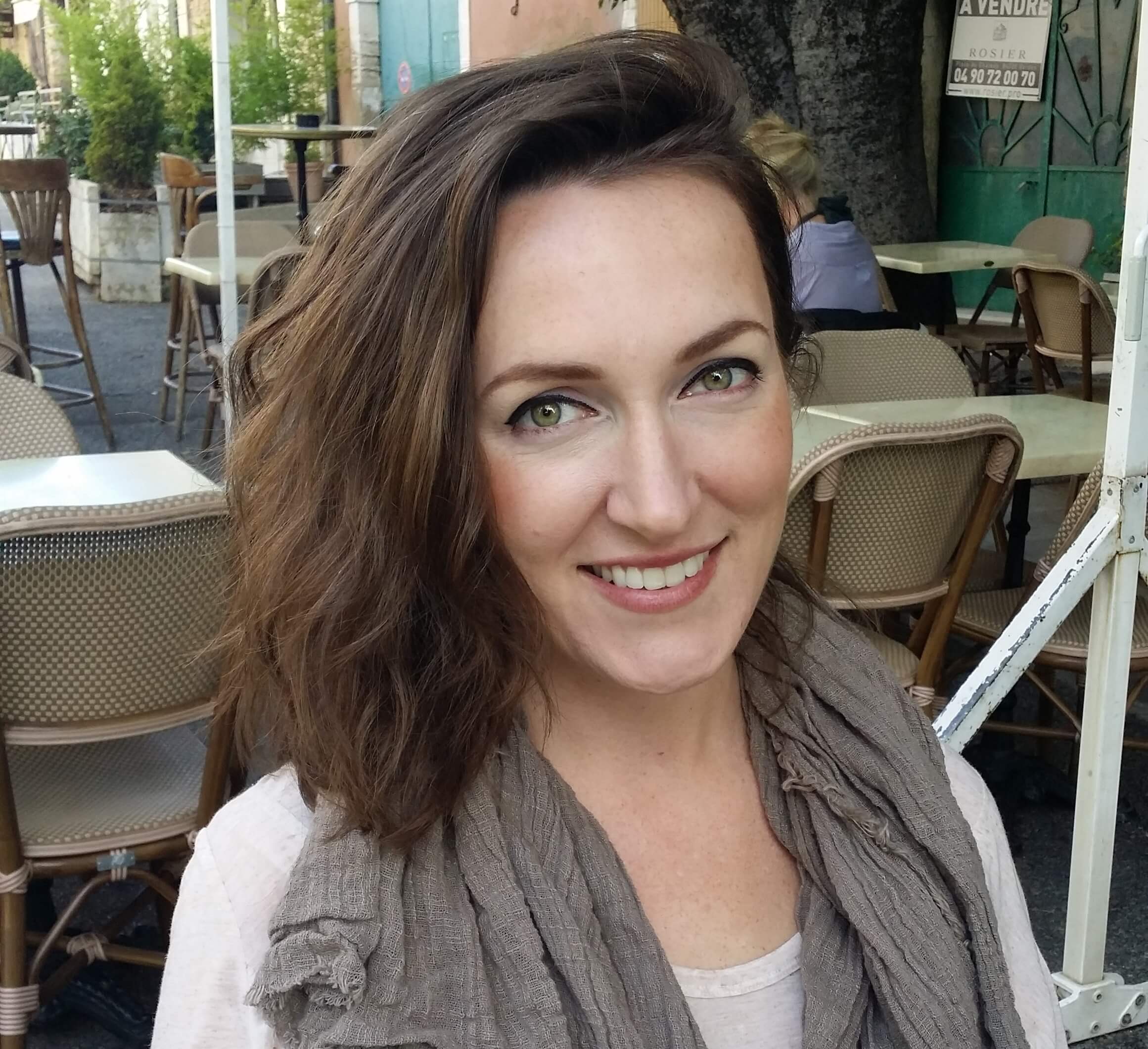
By: Jamie Carruth, LMFT
By late summer of 2024 I couldn’t ignore that something was wrong. More than a “summer slump” or a particularly busy vacation season, it was clear that my practice had changed while I wasn’t looking. The ground had shifted beneath my feet. Or beneath my couch (obligatory therapist joke).
It had been changing for at least a year at that point but I told myself things would pick up. They always did. This time I had to admit I wasn’t getting the steady flow of referrals I had taken for granted for years, and my practice was shrinking for the first time in over a decade as a solo therapist in private practice. Reaching out to other clinicians in my network, I heard the same concern: there are no referrals. Therapists are a steady, resilient sort, however, so we banded together to form groups, trade ideas about marketing and diversification, and share alternative referral sources. One of those ideas was joining a telehealth platform that promised to do all of the heavy lifting needed to manage a successful practice.
An incredible pitch: I could take insurance without any of the headache of clawbacks or credentialing; they’d manage billing, flood my inbox with referrals, and pay me more than I could get if I joined an insurance panel myself. So I dipped my toe into the world of tech start-up style telehealth and practice management platforms. Over a year later I’m trying to get out.
Beyond Kaiser: Dr. Linda Michaels Warns SF Board of Supervisors Against Corporate Shortcuts & AI in Mental Health
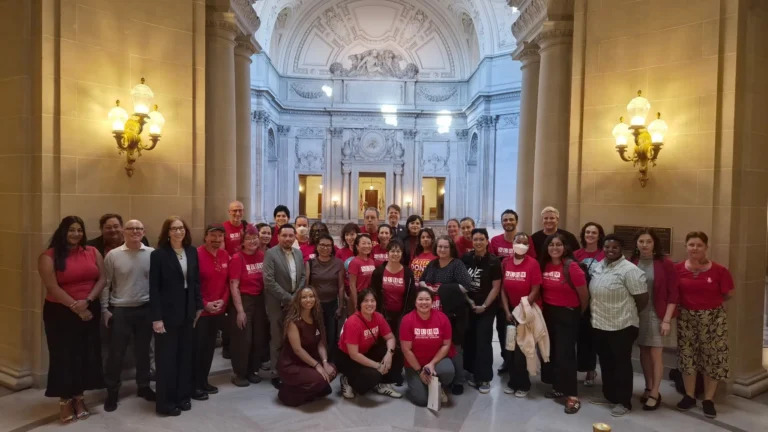
At the San Francisco Board of Supervisors hearing on July 21, Dr. Linda Michaels (PsiAN Board Chair and BHAM Steering Committee member) delivered a powerful message that reaches far beyond a single health system.
Her testimony laid bare the growing humanitarian and ethical crisis facing behavioral healthcare today: the relentless pressure to devalue relational therapy in favor of corporate efficiency, automated algorithms, and gig economy tech platforms. When asked specifically about Kaiser’s proposals in contract negotiations with its clinicians in Northern California that would set the stage to outsource care and potentially replace therapists with A.I., Michaels replied:
“This is not a very good plan at all for quality care… While a lot of these policies may save money in the short term, they will actually create new and higher costs in the long term. Replacing therapists is a very costly long-term gambit that is not good for patients, for therapists, or really for healthcare systems themselves.”
— Linda Michaels, PsyD, MBA
Dr. Michaels’ testimony highlighted three alarming industry trends that threaten the integrity of mental healthcare delivery nationwide:
- “Uberizing” Therapy Through Unrestricted Outsourcing:
Shuffling patients off to third-party practice management platforms breaks continuity of care and resets the therapeutic clock. Research shows 81% of clinicians on these corporate telehealth platforms express deep concern over patient privacy and the commercialization of sensitive health data. - Outsourcing High-Stakes Clinical Decisions to AI Agents:
AI tools are interactive self-help logs, not substitutes for psychotherapy. Utilizing algorithms for patient intake, triage, or replacement of licensed clinicians introduces severe safety risks, including missed suicide signals and misdiagnoses. There are proven, human-centered ways to meet the skyrocketing demand for mental health services, especially for individuals in crisis, without resorting to automated shortcuts. - Interfering with the Core ingredient of healing, The Therapeutic Alliance:
Decades of research confirm that the human therapeutic alliance is the single strongest predictor of treatment success, a bond built on empathy, trust, and shared goals. One size fits all protocols, session caps, and mandated productivity quotas strip clinicians of their ability to adapt care to individual complex needs. Disrupting this continuity doesn’t solve access problems; it disrupts the therapeutic clock, spikes dropout rates, and pushes patients into avoidable acute crises. Real healing requires individualized care of sufficient depth and duration. When health systems prioritize rapid turnover over relational continuity, they don’t deliver care, they create the illusion of care and prolong patient suffering.
Watch the recording here: Kaiser Permanente Behavioral Health Hearing Video.
This video provides direct coverage of the July 21 San Francisco Board of Supervisors special hearing, including full remarks by Dr. Linda Michaels and key healthcare advocates on the dangers of automated triage and outsourcing in behavioral health.
📋Audit Your Practice in 15 Minutes: New BBS Advertising Enforcement Rules
Between back-to-back client sessions and administrative work, it’s easy to miss critical Board of Behavioral Sciences updates. Effective April 1, 2026, Did you know that omitted license numbers, truncated titles, or missing supervisor disclosures can trigger citations, orders of abatement, or fines ranging from $100 to $2,500 per violation?
Below is an essential advertising compliance update with a 15-minute audit walkthrough to help protect your practice against recent BBS enforcement changes (16 CCR § 1811 and 16 CCR § 1888).
Important: The BBS defines “advertising” very broadly, including websites, directory profiles (Psychology Today, TherapyDen, Zencare), social media bios (Instagram, LinkedIn, TikTok), email signatures, business cards, and office signage.
Step 1: Fix the “Acronym Trap”
The BBS strictly enforces credential formatting:
- For Pre-Licensed Associates (AMFT, ASW, APCC): Standalone acronyms are prohibited. You must spell out the full, state-sanctioned registration title alongside the abbreviation.
- For Fully Licensed Clinicians (LMFT, LCSW, LPCC): Standard abbreviations are permitted, but citations commonly stem from missing license numbers, vague titles, or omitting your legal name.
- Note on Nicknames: If you use a nickname or preferred name publicly, BBS regulations require that your full legal name (as filed with the Board) is also listed so clients can verify your credentials.
Step 2: Mandatory Associate Disclosures
If you are an associate in any setting, every public profile must clearly answer two questions:
- Who employs you? (Full legal name of the practice, agency, or non-profit)
- Who supervises you? (Supervisor’s full name, credential type, and license number)
- Example: “Aisha Patel, Registered Associate Marriage and Family Therapist (AMFT #123456). Employed by Pacific Therapy Center. Supervised by Mei-Ling Chen, Licensed Marriage and Family Therapist (LMFT #987654).”
Step 3: Your 15-Minute Audit Checklist
|
Location |
What to Verify |
|
Website (Header/Footer/Bio) |
Full legal name, exact credential title, license/registration number, and supervisor/employer disclosures visible near your bio. |
|
Directory Profiles |
Full associate titles written out (no bare acronyms like “ASW”). |
|
Social Media Bios |
Credential title and license/registration number included; avoid generic terms like “Psychotherapist” without your legal title attached. |
|
Intake & Consent Packets |
License/registration type, credential number, and expiration date stated clearly. |
Official BBS Compliance Links
- BBS Advertising Fact Sheet & FAQ: Download Official BBS PDF
- BBS Advertising Regulation Text: Read 16 CCR § 1811 Text
- BBS Verification Portal: Verify a CA License or Registration
📰 News Roundup
- The San Francisco Standard reported on a growing clash between Kaiser Permanente and its therapists after a new complaint filed by NUHW revealed that Kaiser is using an automated algorithm, rather than licensed clinicians, to triage patients. The algorithm makes immediate patient care recommendations without human oversight.
- KQED was among several Bay Area news stations that covered a special hearing the San Francisco Board of Supervisors conducted last month to better understand how Kaiser Permanente’s demands in contract negotiations with its 2,400 behavioral health clinicians in Northern California could have negative implications for patients, providers and behavioral healthcare throughout the state.
- CalMatters reported on SB 903, a bill, which has already passed the State Senate and is now in the State Assembly, that would establish strict regulations for AI deployment across clinical spaces.
- The LA Times reported on SB 903, detailing how the bill would ban companies from advertising chatbots as therapy and prohibit AI systems from making therapeutic decisions without review from a licensed professional.
🎧 What we're listening to...
Stories of Uber Therapy: A podcast series exploring the “uberization” of care, hosted by Elizabeth Cotton and Linda Michaels. Tune in for Chapter 4 featuring NUHW’s own Hilda Poulson alongside James Farrar (Worker Info Exchange) as they discuss lessons from organizing Uber drivers and the Kaiser Permanente hunger strike.
📣 Research Spotlight
Assessing How California Counties Determine Levels of Care for Serious Mental Illness
California is in the midst of a severe mental health crisis, with serious mental illness (SMI) affecting over 1.7 million adults each year.
A landmark report from the Steinberg Institute in partnership with the UCLA Luskin School of Public Affairs provides a deep dive into how level of care decisions are made across the state. Through quantitative data analysis and qualitative interviews, the research examines 8 representative California counties (representing 50% of the state’s adult population) to analyze how local systems define, assess, and place adults living with SMI.
Key Findings
- Treatment Gaps Vary Greatly by Location: SMI prevalence and public service utilization vary widely across counties, with treatment rates dropping below 30% for affected individuals in many areas.
- Inconsistent Assessment Tools: Counties rely on a fragmented patchwork of screening tools (including LOCUS, LIST, and ANSA), leading to widespread inconsistencies in clinical placement and care quality statewide.
- Outdated Data Infrastructure: Antiquated information systems hamper data quality, severely limiting counties ability to track outcomes and assess program effectiveness.
Why It Matters
This analysis offers a vital look into current county level decision making and outlines what must change to ensure all Californians with SMI receive timely, appropriate, and equitable care.
BHAM On The GO
Questions about upcoming events? Have something you want to share or promote via our newsletter? Email kgutierrez-thompson@nuhw.org.
California Psychological Association Conference (CPA)
September 24-27, 2026
Sacramento, CA
https://www.cpapsych.org/event/2026Convention
National Association of Social Workers (NASW)
October 16-17, 2026
San Francisco, CA